
Comprehensive Guide to CRM Software: Boost Your Business Efficiency and Customer Relationships
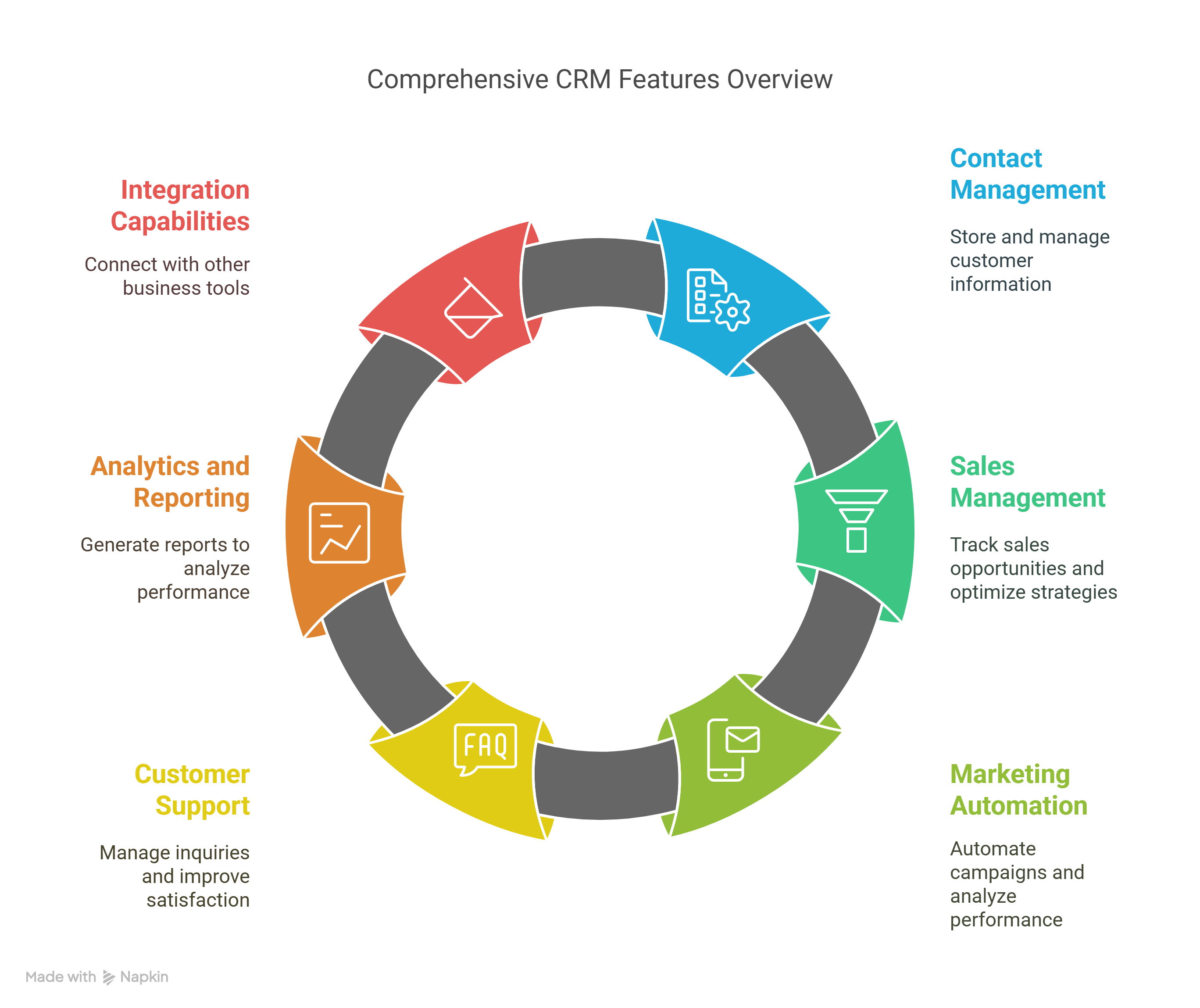
Customer Relationship Management (CRM) software is a vital tool for businesses aiming to streamline their interactions with clients. It centralizes customer data, manages sales pipelines, and automates marketing efforts. By providing a unified platform, CRM software enhances communication, improves customer satisfaction, and boosts sales productivity. Modern CRM systems also offer analytics and reporting features, enabling businesses to make data-driven decisions. They are customizable to fit different industry needs and scalable for growing companies. Whether small startups or large enterprises, adopting CRM software helps develop stronger customer relationships and increase revenue. As technology advances, CRM solutions incorporate AI and automation to further optimize customer engagement strategies. Implementing the right CRM software is essential for maintaining competitive advantage in today's digital marketplace.
Types of CRM Software Available
CRM software comes in three main types: operational, analytical, and collaborative. Operational CRM focuses on automating customer-facing functions like sales, marketing, and customer service, streamlining daily interactions. Analytical CRM analyzes customer data to identify trends, preferences, and opportunities for targeted marketing. Collaborative CRM facilitates communication across departments to ensure a seamless customer experience. Some solutions combine features from multiple types, offering comprehensive management tools. Cloud-based CRM systems are popular for their flexibility, accessibility, and lower upfront costs, while on-premise options provide more control and customization. Industry-specific CRM solutions are tailored to meet unique business needs, such as real estate, healthcare, or retail. Choosing the right type depends on your company’s size, goals, and operational requirements.
Key Features to Look For in CRM Software
Effective CRM software should include core features such as contact management, sales automation, and lead tracking. Contact management allows storing detailed customer information for personalized communication. Sales automation streamlines repetitive tasks like follow-ups and appointment scheduling. Lead management helps track potential customers through various stages of the sales funnel, increasing conversion rates. Additional features like email integration, marketing automation, and customer support tools enhance overall efficiency. Reporting and analytics are crucial for measuring performance and making informed decisions. Mobile access ensures your team stays connected on the go, while integration with other tools like email and accounting software boosts productivity. User-friendly interfaces and customization options make adoption easier. Prioritizing these features ensures your CRM system aligns with your business goals and operational needs.
Benefits of Implementing CRM Software in Business
Implementing CRM software offers numerous advantages that directly impact business growth. It improves customer relationships by providing personalized and timely interactions based on detailed data insights. CRM systems increase sales efficiency through automation, lead management, and sales forecasting tools. They also enhance marketing efforts by enabling targeted campaigns and tracking their effectiveness. Additionally, CRM software facilitates better teamwork and communication across departments, ensuring a cohesive customer experience. Data analysis features help identify new opportunities and optimize strategies. It also reduces manual work, saving time and reducing errors. Overall, CRM software fosters customer loyalty, increases revenue, and provides a competitive edge in a crowded marketplace. Investing in the right system can transform customer engagement and operational productivity for long-term success.
Choosing the Right CRM Software for Your Business
Selecting the appropriate CRM software requires careful assessment of your business needs and goals. Start by identifying core requirements such as automation, reporting, or industry-specific features. Consider your budget, scalability, and ease of integration with existing tools. Research various providers and read user reviews to gauge reliability and customer support quality. Many vendors offer free trials, allowing you to test functionalities before committing. Focus on user-friendliness to promote quick adoption by your team. Ensure the CRM system can grow with your business, offering scalable plans and customizable features. Involving key stakeholders during the selection process helps align the system with operational needs. Ultimately, choosing the right CRM software improves efficiency, enhances customer relationships, and supports your long-term growth strategy.

 English
 Arabic
 French
 Spanish
 Portuguese
 Deutsch
 Dutch
Dutch
 Italiano
 Russian
 Romaian
 Portuguese (Brazil)
 Greek
Greek